Plenty of owners check FEMA's flood map, see their address outside the shaded high-risk area and assume flooding is not their problem. Then a storm puts six inches of water across a finished basement. Both facts can be true at once, because the map and the basement are answering different questions.
What the FEMA map shows
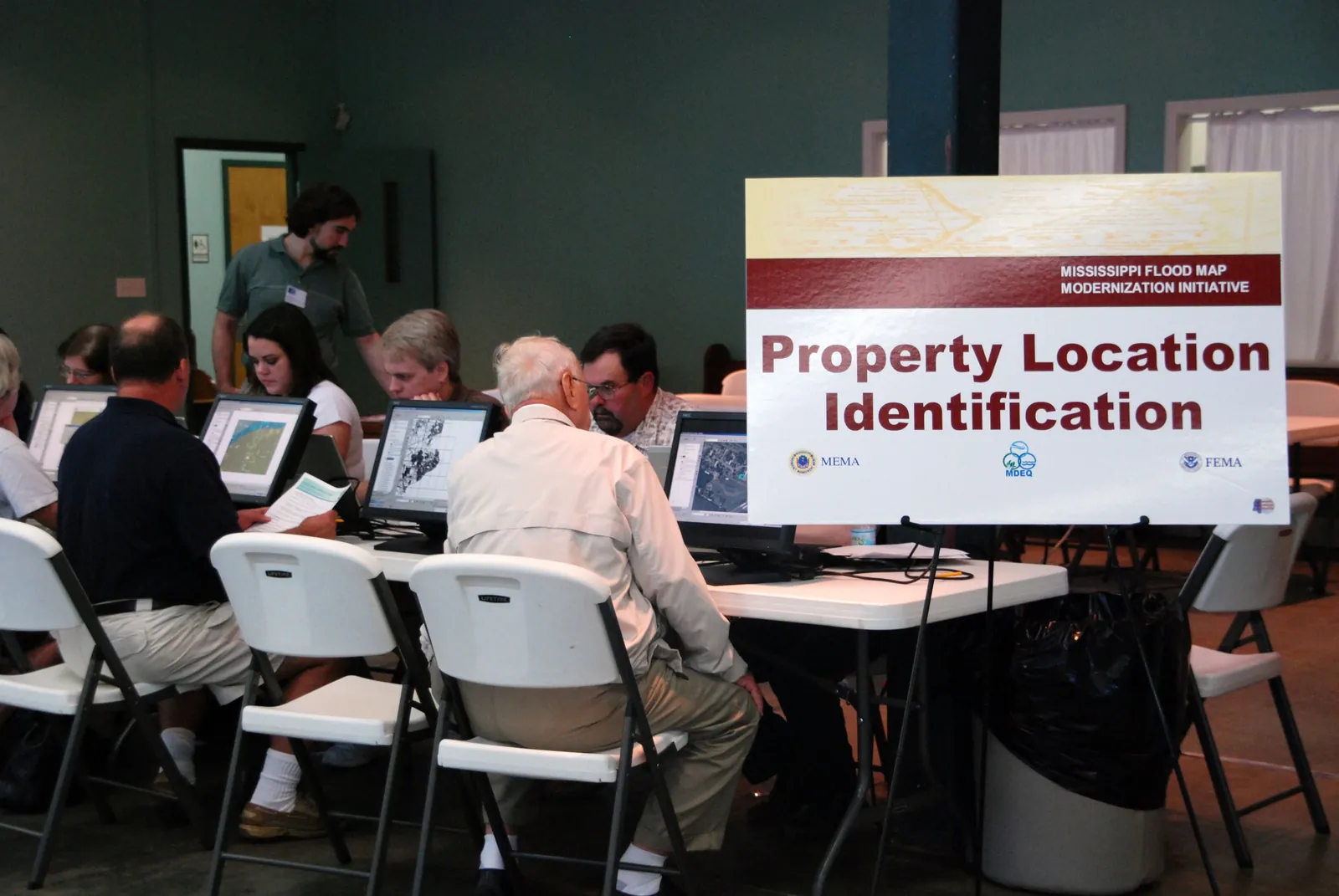
FEMA's flood maps show areas with mapped flood hazards, mainly where water is expected to rise from rivers, creeks and coastlines in a flood with a 1 percent chance of happening in any year. The Flood Map Service Center is where you look up an address.
The USGS explains that a "100-year flood" is not a flood that happens once a century. It is a flood with a 1 percent chance of being equaled or exceeded in any given year, and it can happen two years in a row.
What the map does not show
Maps are built around waterways. They are much less useful for:
- Intense local rain that overwhelms storm sewers in a built-up area.
- Runoff from a slope above the house.
- Groundwater rising through a basement floor or old foundation.
- Water entering through window wells, basement doors and garages.
- Sump pumps that fail during a storm.
Most basement floods in West Chester borough come from that list, not from a creek. The borough sits on higher ground, so it has relatively little mapped high-risk area. Its basements still flood.
Why the coverage question gets complicated
How the water got in decides which policy might respond.
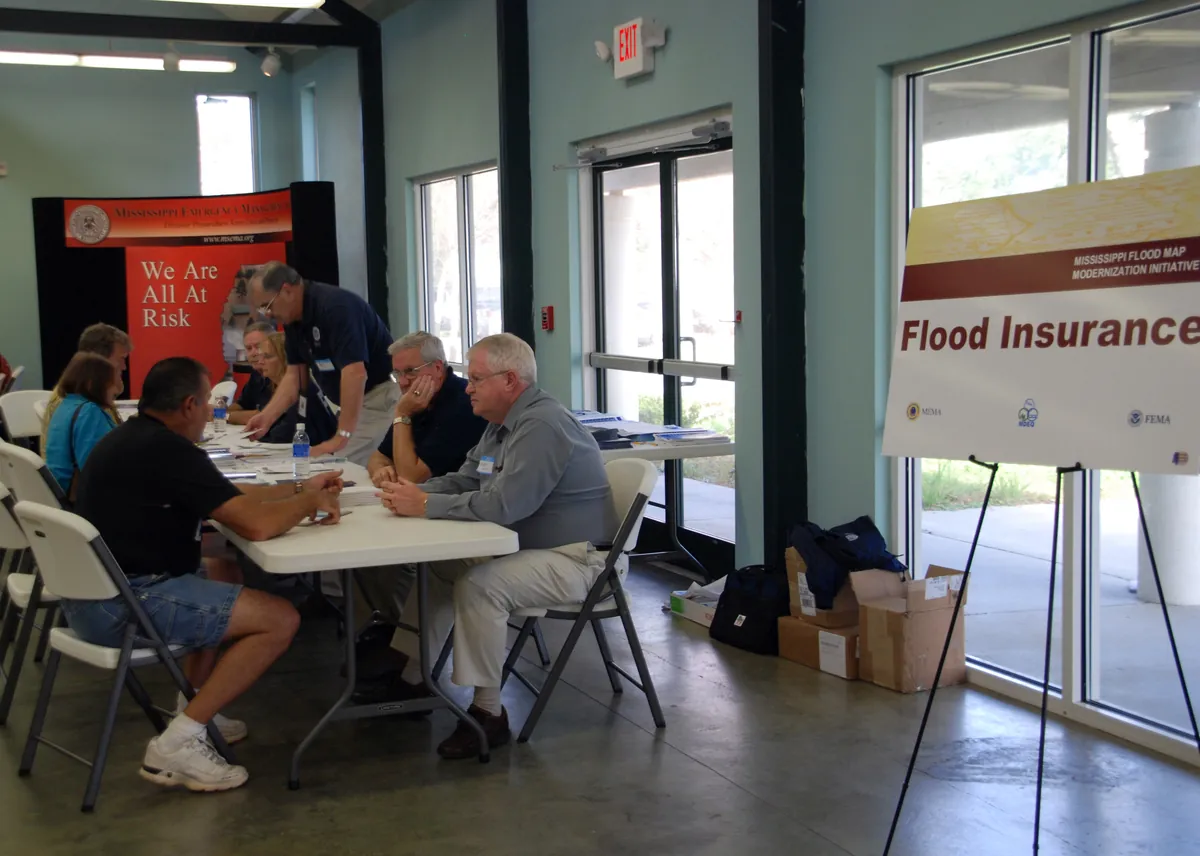
- Surface water from a broad area. If the flood fits the NFIP definition, covering two or more acres or two or more properties, it is a flood claim. A homeowners policy usually excludes it.
- Water backing up through a drain or overflowing from a sump in an ordinary storm. That is usually a water backup endorsement on a homeowners policy, if you have one. FloodSmart says flood insurance covers sewer backup only when it directly results from flooding.
- Groundwater seeping through the foundation. Often excluded by homeowners policies, and not always a flood under NFIP rules. Read your policy and talk to your agent.
The finished-basement gap
Even with flood coverage, a finished basement is a weak spot. FloodSmart lists personal property kept in basements as not covered by an NFIP policy, while building items such as the furnace, water heater and electrical systems are covered under building coverage. Many owners discover this only after the furniture, rugs and electronics are on the curb.
Low-risk does not mean no flood insurance
Properties outside high-risk zones can still buy NFIP coverage, and the premium reflects the property's actual risk. FloodSmart notes that policies normally take 30 days to start, so it is a decision for a dry month, not a stormy one.
After the water
- Photograph the basement, the waterline and every damaged item before cleanup.
- Note where the water came in: a window well, the floor drain, the sump, the walls.
- Call your agent and describe the source.
- Start drying within a day or two.
The flood insurance claim documentation page lists what to record. For how borough houses take water, see West Chester flood damage restoration.
Sources
- FEMA, Flood Map Service Center
- USGS, The 100-Year Flood
- FloodSmart, what flood insurance covers